

Rekey vs Replace Locks
When rekeying saves you money and when full replacement is worth it. Cost comparison, scenarios, and step-by-step DIY instructions.
Read guide
Every situation where a stranger may have had access to your keys is a reason to act. This guide covers when to change door locks, what it costs, whether to rekey or replace, and when a smart lock makes sense.
Four deep-dive guides covering every decision a homeowner or renter needs to make about changing locks.
When rekeying saves you money and when full replacement is worth it. Cost comparison, scenarios, and step-by-step DIY instructions.
Read guide
Pin tumbler, wafer, disc detainer, mortise, and smart locks. What each one is, which is more secure, and when to upgrade.
Read guide
Five checks that help you hire with confidence. What to ask for in writing, pricing points to check, and tips for a smooth service call.
Read guide
Keypad, app, and biometric smart locks compared. Installation, battery life, compatibility with existing deadbolts, and security trade-offs.
Read guideYou should change or rekey your locks any time someone who no longer needs access may still have a key. The clearest triggers: moving into a new home, losing keys, ending a relationship, or a security incident. Rekeying costs $20–$50 per cylinder and takes under an hour for a professional. DIY deadbolt replacement takes about 20 minutes with a screwdriver.
The answer depends on who has a key you cannot account for. Whenever unknown parties may have access, the only reliable fix is changing the physical combination of the lock — either by rekeying (changing the pins so old keys no longer work) or replacing the lock hardware entirely.
| Situation | Recommended action | Urgency |
|---|---|---|
| Moving into a new home or apartment | Rekey all exterior locks | Immediate |
| Lost or stolen keys | Rekey same day | Immediate |
| After a break-in or attempted break-in | Replace damaged locks, rekey others | Immediate |
| Ending a relationship (someone had a key) | Rekey all exterior locks | Within 24 hours |
| Contractor or cleaner no longer employed | Rekey affected locks | Within 1 week |
| Locks over 10–15 years old | Replace with Grade-1 deadbolt | Planned |
| Moving out of a rental (landlord’s responsibility) | Remind landlord, request confirmation | Before move-in |

When you move into a new home, you inherit every key ever cut for that property. Previous owners routinely share keys with neighbors, housekeepers, dog walkers, family members, contractors, and real estate agents. Surveys consistently show that fewer than 30% of people change locks after a move.
The cost of rekeying is low. A locksmith can rekey all exterior cylinders in an average home in under an hour for $100–$200 total. Some home-warranty packages include a free rekey at move-in — check your paperwork before paying out of pocket.
What to do, what it costs, and which option is right for each situation.
All figures are starting estimates. Professional costs include a service call fee of $50–$100 on top of per-task rates.

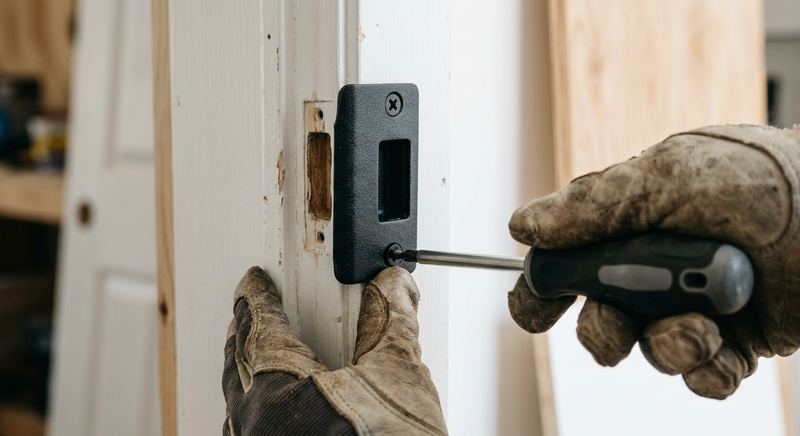
Changing a door lock is genuinely DIY-able for most homeowners. Standard deadbolt replacement requires only a screwdriver and takes about 20 minutes per door. Rekeying is slightly more involved but achievable with a kit for the same lock brand you already have.
Five checks that take under five minutes and help you hire with confidence every time.
Many states require locksmiths to hold a state license. Verify before anyone arrives.
National directories route calls to unvetted subcontractors. Local phone means local accountability.
A verbal price means nothing. Ask for the service-call fee plus per-task rate in writing before work starts.
Most deadbolts open without drilling. Immediate drilling on arrival = padding the invoice.
Cash-only with no receipt means no recourse if the final charge differs from the estimate.
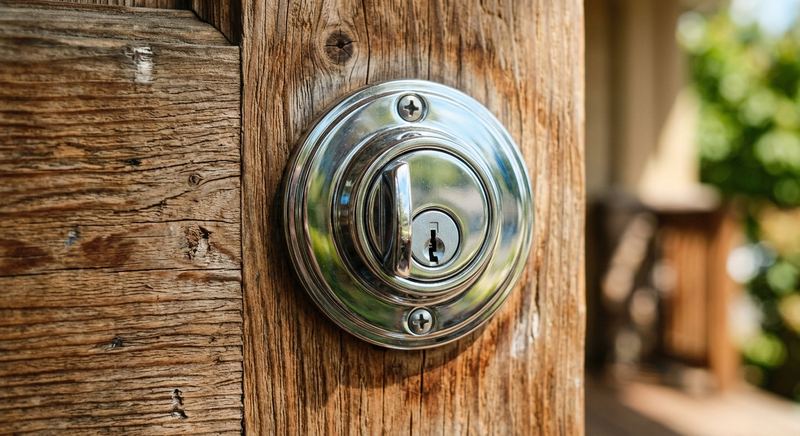
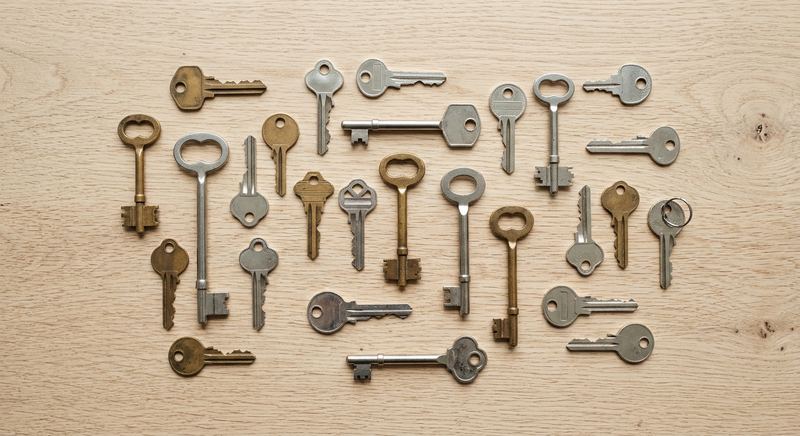
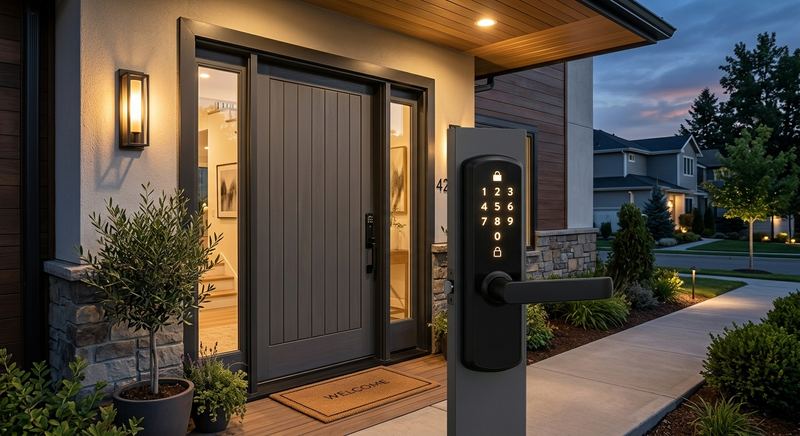
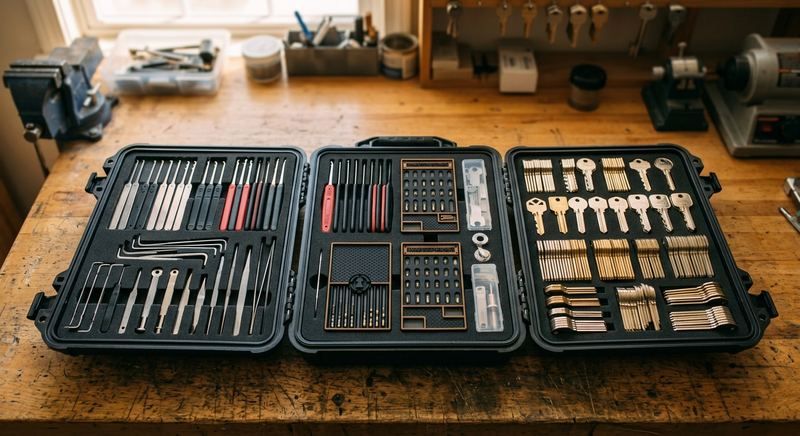
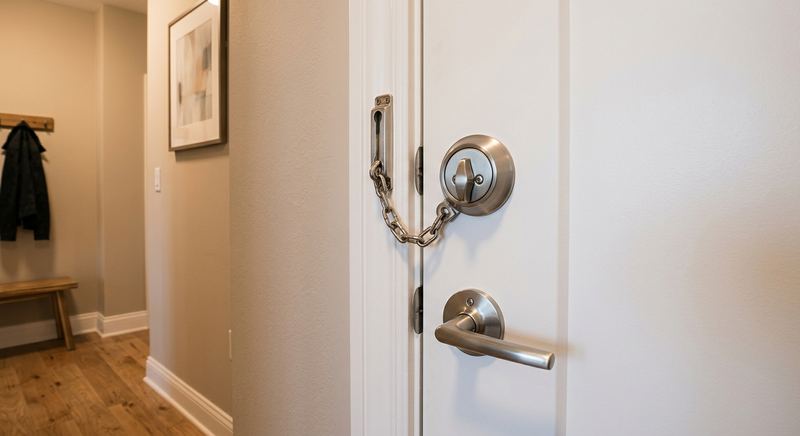
A visual reference for the hardware this guide covers.
Feedback from homeowners and renters who used this guide.
“Finally a clear answer on whether to rekey or replace. Followed the guide after our move and had three locksmiths come out — saved $180 by asking the right questions.”

“The DIY rekeying instructions worked perfectly on my Kwikset locks. Took about 30 minutes for all three doors. Saved the service call fee entirely.”

“The hiring-tips section helped me hire a reliable locksmith who immediately demanded cash and started drilling before giving a quote. Turned them away, found a legitimate one.”

“Changed six locks after my divorce and this guide walked me through exactly what to do. Smart lock guide was especially helpful — ended up going keypad and I love it.”

Yes, always. The previous owners, their real estate agent, contractors, and anyone who had a key can still enter. Rekeying costs $20–$50 per cylinder and is faster than full replacement. Have it done before you unpack.
Rekeying a single cylinder costs $20–$50 plus a $50–$100 service call. Full deadbolt replacement runs $80–$200 per lock (parts + labor). A whole-home rekey of 3–4 locks typically costs $150–$250 total. DIY deadbolt hardware costs $30–$80 at hardware stores.
Rekeying changes the internal pin configuration so existing keys no longer work. The lock hardware stays in place. Replacing installs entirely new hardware. Rekeying is cheaper when the hardware is in good condition. Replace when the lock is damaged, outdated, or you want a security upgrade.
Yes. Replacing a standard deadbolt is a 20-minute job with a screwdriver. Rekeying is achievable with a brand-specific kit for $15–$30. Call a locksmith for non-standard hardware, damaged locks, or high-security cylinders.
Not necessarily. A Grade-1 traditional deadbolt meets the highest ANSI security standard and has no software vulnerabilities. Smart locks offer convenience features (keyless entry, remote access, access logs) at the cost of battery dependency and software risk. Choose based on your use case, not security marketing.
In most US states, landlords are legally required to rekey or replace locks between tenants. Before moving in, ask your landlord in writing to confirm this was done. If they refuse, most states allow tenants to rekey at their own expense and provide a key to the landlord. Check your state’s tenant-rights laws for specifics.
Grade-1 deadbolts are the highest residential standard (tested to 250,000 cycles and a 250-pound kick force). Look for the ANSI/BHMA Grade 1 marking on the packaging or the lock face. Schlage B-series and Kwikset 980/SmartCode 916 are common Grade-1 options. Most builder-grade locks are Grade 3 or unrated.
A professional can rekey a whole home (3–4 locks) in under an hour. A single deadbolt replacement takes a locksmith 15–20 minutes. DIY deadbolt swap: 20–30 minutes per door. DIY rekeying with a kit: 20–40 minutes per lock the first time, faster once you’re familiar.
Change or rekey commercial locks after any employee with key access leaves, after a break-in or attempted entry, and at each lease turnover. A restricted-keyway or electronic access system removes the need to rekey every time by controlling who can copy keys.
Yes. After a break-in or attempted forced entry, change or at minimum rekey every exterior lock — even if a door was not breached, since intruders may have copied or kept a key. Inspect the door frame and strike plate too, as a reinforced strike often matters more than the lock itself.
Yes. A locksmith can replace or rekey a lock with no original key by disassembling or drilling the cylinder if needed, then fitting a brand-new keyed mechanism. Bring proof you own or rent the property, as reputable locksmiths verify authorization before changing locks.

ChangeLock is an independent editorial guide. We do not sell locksmith leads, accept payment from locksmiths, or have a financial relationship with any hardware manufacturer. Pricing data is compiled from public locksmith pricing pages, home-improvement forums, and consumer complaint filings. Security ratings come from ANSI/BHMA grade certifications, not manufacturer marketing claims.
We review and update each guide at least twice yearly. When pricing or licensing requirements change materially, we update within 30 days of becoming aware. If you find an error, please use the contact page.
Read full methodologyStart with the guide that matches your situation — or go straight to comparing rekey vs replace costs.
Contact ChangeLock
Send a factual correction, lock-change question, or content suggestion. This guide site routes messages through the verified contact path.